
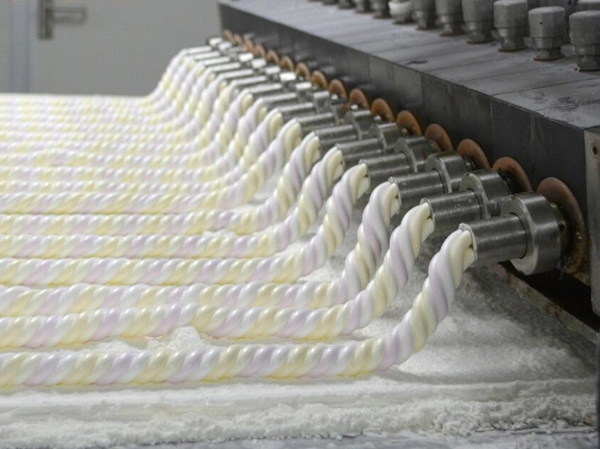
How to choose marshmallow machine
When selecting a marshmallow machine, consider the following key factors:
Purpose and Setting
Home Use:
Compact Electric marshmallow Machine: Simple operation, affordable price, ideal for family gatherings or children’s entertainment.
Functional Requirements: Basic production capabilities suffice; prioritize safety and ease of use.
Commercial Use:
Large Gas-Fueled marshmallow Machine: High output, durable construction, suitable for shops, amusement parks, fairs, and similar venues.
Functional Requirements: Efficient and stable operation with decorative features to attract customers.
Heating Method
Electric Heating:
Advantages: Rapid heating, precise temperature control, convenient operation without additional fuel.
Disadvantages: Higher power consumption requires stable power supply; unsuitable for outdoor locations without electricity.
Gas Heating:
Advantages: Suitable for outdoor or power-free environments with high heating efficiency.
Disadvantages: Requires propane or natural gas supply, high safety requirements, necessitates ventilation.
Power and Output
Home Use:
Power: Typically 500W–1500W.
Output: Sufficient for household needs, producing 1-2 cotton candies per batch.
Commercial:
Power: 1500W+, with some large machines reaching 3000W.
Output: Selected based on business demand, producing dozens to hundreds of cotton candies per hour.
Features
Decorative Production:
Multi-color/Flavor: Supports adding different colored and flavored sugar powders to create colorful marshmallow.
Shape Variety: Equipped with different molds or dispensing nozzles to create various shapes.
Automation Level:
Fully Automatic: One-button operation with automatic temperature control and dispensing, ideal for beginners or busy businesses.
Semi-Automatic: Requires manual adjustment of temperature and speed, suitable for experienced users with high flexibility.
Materials and Durability
Body Material:
Stainless Steel: Corrosion-resistant, easy to clean, sturdy, and durable for long-term use.
Aluminum Alloy: Lightweight with excellent heat conductivity, but requires careful maintenance.
Key Components:
Heating Element: Premium material ensures even heating and extended lifespan.
Rotary Motor: Stable and reliable with adjustable speed settings.
Safety Features
Overheat Protection: Prevents equipment damage from excessive heat, ensuring safe operation.
Leakage Protection: Equipped with a leakage protection device to prevent electric shock accidents.
Sturdy Structure: Ensures stable operation, minimizes tipping risk, and features non-slip pads.
Cleaning and Maintenance
Easy-Disassembly Design: Facilitates thorough cleaning of all components to prevent sugar residue buildup.
Cleaning Methods: Understand cleaning procedures and precautions to ensure hygiene and safety.
Price and Budget
Reasonable Budget: Select a machine within your price range based on needs and financial capacity.
Value for Money: Balance performance, quality, and price to choose a cost-effective product.
Brand and After-Sales Service
Reputable Brands: Ensure reliable quality, comprehensive after-sales support, and access to technical assistance and repairs.
User Reviews: Examine feedback from other users to gauge the product’s real-world performance.
Summary: When selecting a marshmallow machine, comprehensively evaluate factors including intended use, heating method, power output, production capacity, functional features, material durability, safety performance, cleaning requirements, price range, and brand after-sales support. This ensures the machine meets your practical needs while guaranteeing safe operation and optimal results.
marshmallow machine cleaning steps
The cleaning procedure for a marshmallow machine is as follows:
Preparation
Power Off and Cool Down: Turn off the power, unplug the machine, and ensure it has cooled completely to prevent burns.
Prepare Tools: Soft cloth, brush, warm water, neutral detergent, steel wool pad (if necessary).
External Cleaning
Wipe the Body: Dampen a soft cloth with warm water and wipe the machine’s exterior and control panel to remove dust and sugar residue.
Caution: Avoid water penetration into electrical components to prevent short circuits.
Cleaning the Dispenser
Remove Residual Sugar: Gently brush away sugar residue and caramel from the dispenser surface using a brush or steel wool pad. Soaking the dispenser in warm water softens sugar residue for easier removal.
Clean the Filter Screen: Remove the dispenser’s filter screen and soak it in warm water with a neutral detergent. Gently scrub the screen with a soft brush to unclog sugar-blocked holes.
Tip: Dry-heat the screen on the stove for a few minutes to quickly remove stubborn sugar buildup, but exercise caution.
Cleaning the Interior
Cleaning the Sugar Bowl and Hopper: Empty any remaining sugar. Wipe the interior with a soft cloth to remove sugar residue.
Wash with a neutral detergent, then rinse thoroughly with clean water.
Caution: Do not allow water to enter the motor or electrical control components.
Cleaning the Carbon Brushes (Electric Models)
Removing the Carbon Brushes: Open the machine housing, locate the carbon brushes, and carefully remove them.
Clean carbon brushes: Gently wipe the brush surfaces with a soft cloth or cotton swab to remove dust and grime.
Replace carbon brushes: If severely worn, promptly replace with new brushes of the same model.
Reinstall: Ensure proper alignment and secure contact with the motor.
Inspection and Maintenance
Check transmission components: Verify smooth operation of rotating mechanisms; address abnormalities promptly.
Lubricate and Maintain: Apply appropriate lubricant to required components per the manual’s specifications.
Final Steps
Dry Components: Thoroughly wipe all cleaned parts with a dry cloth to remove any moisture residue.
Reassemble the Machine: Correctly reinstall all disassembled components.
Air Dry: Place the machine in a well-ventilated area to ensure it is completely dry before use or storage.
Precautions:
Safety Operation: Always disconnect the machine from power during cleaning to ensure safety.
Avoid Water Immersion: Never directly rinse electrical components with water to prevent short circuits and damage.
Regular Cleaning: Clean promptly after each use to prevent sugar residue buildup, which can affect machine performance and lifespan.
By following these steps, you can thoroughly clean your marshmallow machine, maintain its hygiene and optimal condition, and ensure delicious marshmallow every time you use it.
What are the precautions for using marshmallow machine
When using a marshmallow machine, observe the following precautions:
Safety Operation
Power Safety:
Ensure the power supply voltage matches the machine’s requirements. Use standard-compliant outlets and power cords. Avoid operation in damp environments to prevent electric shock.
Burn Prevention:
Heated components (such as the dispenser and heating tubes) become extremely hot during operation. Never touch them. Allow the machine to cool completely before cleaning or maintenance.
Child Supervision: Adult supervision is required during operation. Keep children away from the machine and prevent them from operating it.
Operating Environment
Ventilation: Operate in a well-ventilated area to avoid inhaling fumes or steam produced during heating.
Stable Placement: Position the machine on a level, sturdy surface to prevent tipping.
Keep Away from Flammables: Keep away from paper, fabric, and other flammable materials to prevent fire.
Usage Process
Preheat Control: Preheat the machine as specified in the manual, typically for about 5 minutes. The motor should remain running during preheating to ensure even heating.
Temperature Adjustment: Adjust the heating temperature appropriately based on the type of sugar and ambient temperature.
Avoid excessive heat causing sugar caramelization or insufficient heat affecting sugar output.
Sugar Selection:
Use specialized marshmallow sugar or fine granulated sugar to ensure fine, delicate strands. Avoid coarse sugar or sugar containing impurities to prevent clogging the dispenser.
Operating Guidelines:
Do not insert hands into the machine while it is running. Use a bamboo skewer or specialized tool to remove marshmallow, avoiding direct contact with heating components.
Cleaning and Maintenance
Timely Cleaning: Clean the machine promptly after each use to prevent sugar residue from hardening and affecting subsequent use.
Always disconnect power and allow the machine to cool before cleaning.
Proper Cleaning Method: Use a soft cloth, brush, and neutral detergent. Avoid highly corrosive cleaners. Never rinse electrical components directly with water to prevent short circuits.
Regular Inspection: Check the power cord, plug, and switches for damage and replace immediately if faulty. Inspect transmission components and motor for proper operation to ensure the machine remains in good working condition.
Special Precautions for Gas Models
Gas Safety: Use certified liquefied petroleum gas cylinders, ensuring secure connections with no leaks. Regularly inspect gas lines and fittings to prevent aging or loosening.
Ventilation Requirements: Gas models must be used in well-ventilated areas to prevent carbon monoxide poisoning.
Ignition Control: Follow operating procedures when igniting gas; avoid direct ignition. After use, first close the gas cylinder valve, then turn off the machine switch.
Other
Read the Manual:
Thoroughly read and understand the machine’s instruction manual before use, and strictly follow all requirements.
Storage Environment:
Store the machine in a dry, well-ventilated area, avoiding damp or high-temperature environments.
By adhering to these precautions, you can safely and effectively operate the marshmallow machine to produce delicious treats while extending the machine’s lifespan.